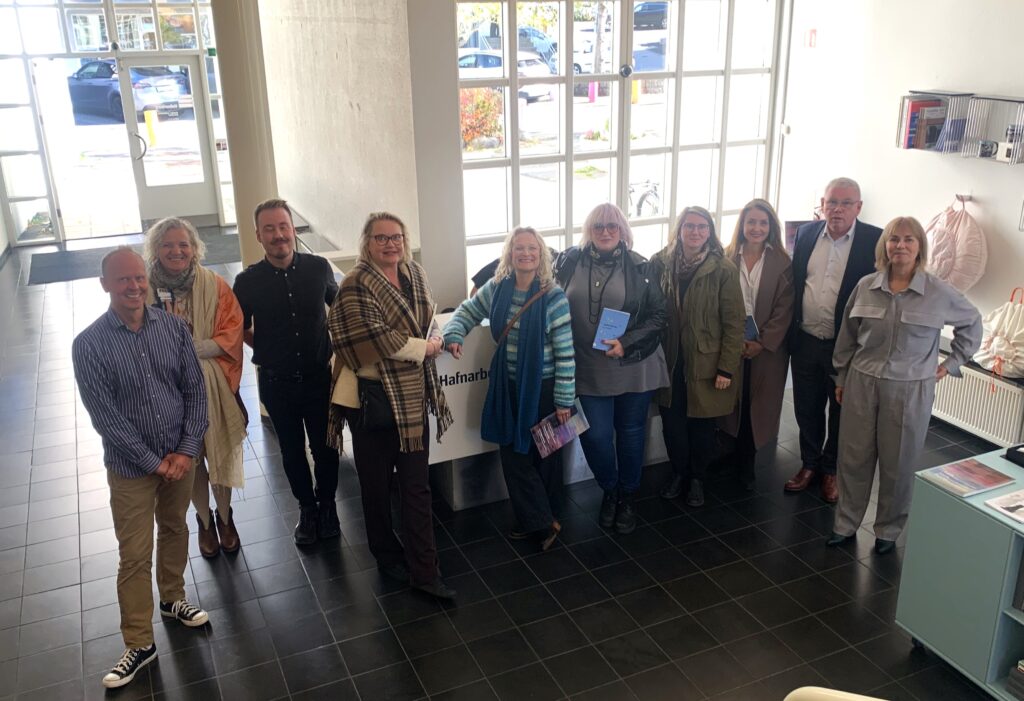
During the annual museum visit by the council, several museums in the capital region were visited. They were Icelandic Film Museum, Hafnarborg, Cultural and Arts Center of Hafnarfjörður, Hafnarfjörður Regional Museum and Icelandic Museum of Natural History. The Council for the Arts, along with the directors of the three main museums and staff from the Council's office, spent a day visiting the museums last September.
Film Archive of Iceland
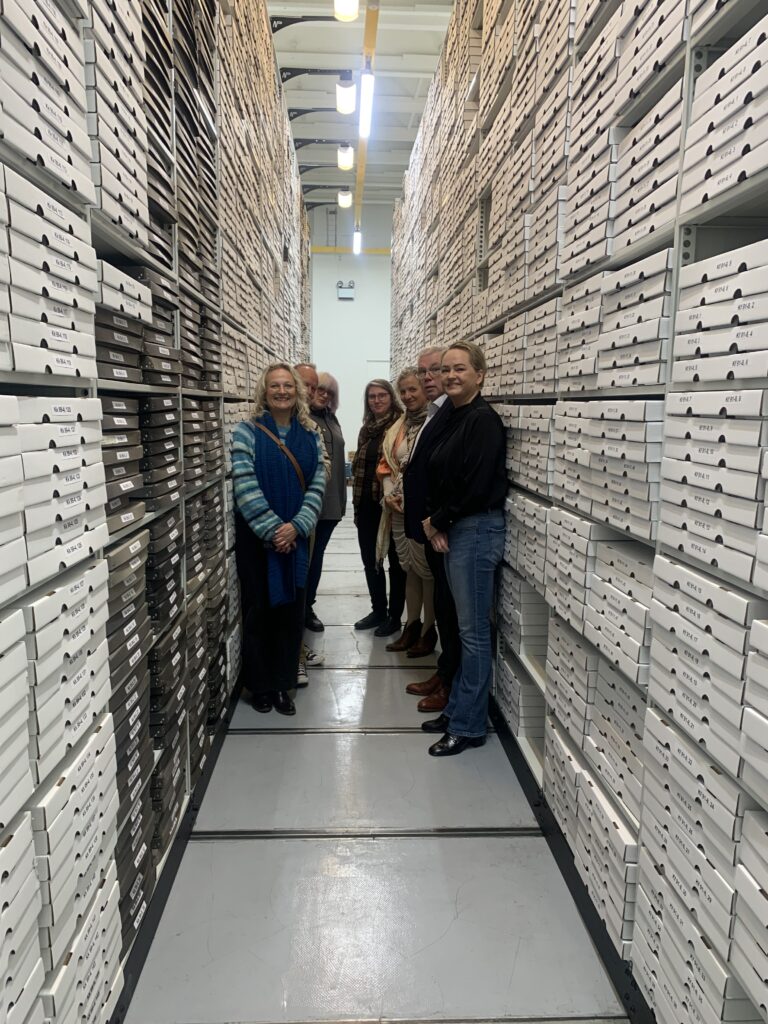
In Hafnarfjörður, Thóra Ingólfsdóttir, director of the National Film Archive of Iceland, welcomed the group and led them into each preservation room one after another. Icelandic Film Museum is a highly specialized archive where films require very specific storage conditions; they are more like freezers, as films are best stored at a low temperature. The collection is housed at 13 Hvaleyrarvegur in a building originally constructed as a fish processing school and which housed a salting and freezing plant, but now serves well for film preservation and the museum's operations.
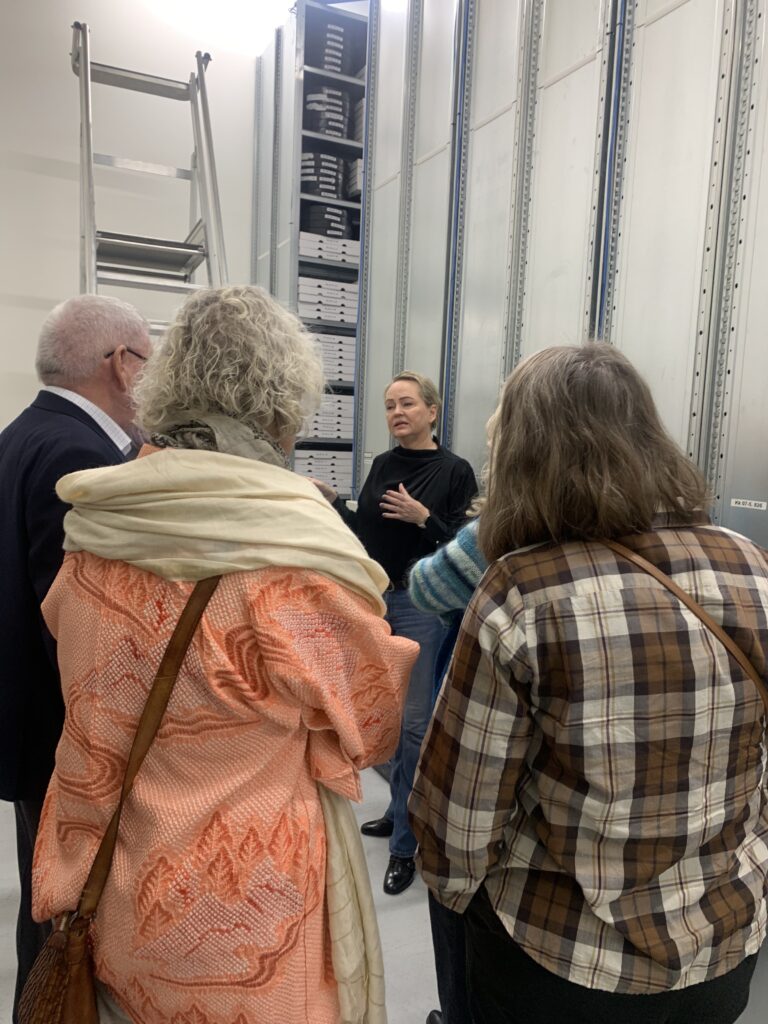
Preserving films is a major undertaking, as they are fragile and of various types, which requires significant expertise to work with. It was remarkable to get a look inside the preservation spaces and an insight into the projects of the museum's staff, including washing, scanning, and transferring films to a digital format, cataloging, research, and much more. The National Film Archive of Iceland has, in recent years, been working on incredibly interesting research on the film heritage and shared them, among other places, on the homepage, but also in collaboration with Ríkissjónvarpið in Iceland.The Pearl series which has enjoyed popularity. The National Film Archive of Iceland has received grants from the museum fund that have been well-utilized for various projects in recent years, and received a 2024 Öndvegi grant and is now working on a film study about Loft Guðmundsson, a pioneer in filmmaking.
Fall Show and the Diverse Activities of Hafnarborg
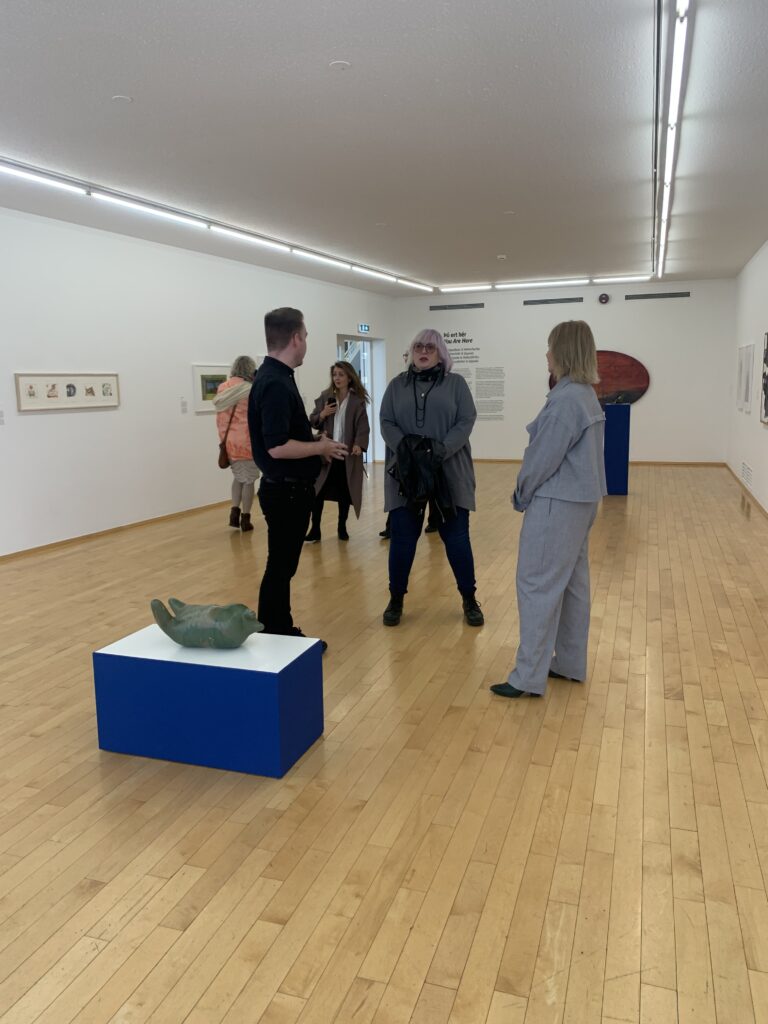
The Collection Council next visited Hafnarborg where curator Aldís Arnadóttir and the staff welcomed us and told us about the museum's activities. Hafnarborg is engaged in an ambitious cultural program, presenting a diverse range of exhibitions in both of the building's galleries. In addition, it hosts a variety of events, including those related to the current exhibitions, as well as concerts, meetings, lectures, and more. The museum board viewed the ongoing exhibitions, You are here: From Uppsala to Hafnarfjörður and from Hafnarfjörður to Uppsala where the relationship with one of Hafnarfjörður's 10 sister cities is detailed. The exhibition Total sluts is in the larger hall of Hafnarborg, the exhibition, which is also the fifteenth exhibition in Hafnarborg's fall exhibition series, where there Curators are invited to submit a proposal for an exhibition at the museum and make their voices heard through an open application process each year.
The Cold Lights, the newest addition to the Hafnarfjörður Museum of Municipal History
In Hafnarfjörður Museum of Municipal HistoryThere are numerous exhibitions and quite a few exhibition venues throughout Hafnarfjörður. The museum board visited the Pakkhúsið and was given a tour of the exhibitions; one was about the history of scouting in Hafnarfjörður., Always Ready, Scouting for 100 Years which received support from the collection fund and so Permanent exhibition About the history of the town and a toy exhibition on the upper floor of the house.
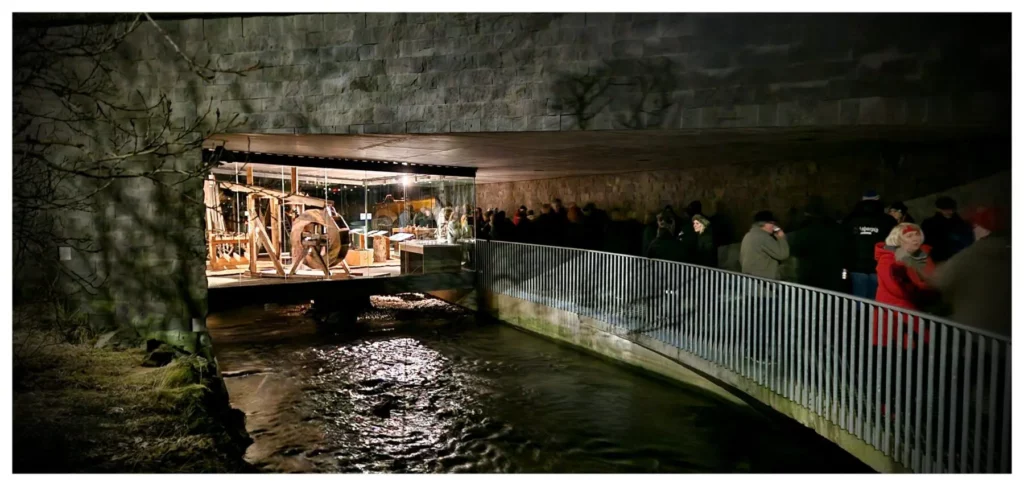
Björn Pétursson, the Curator of Local Monuments at the Folk Museum, showed us signs that are all over Hafnarfjörður on behalf of the museum, featuring pictures and codes. But this way, you can read about the town's historical and heritage sites, and the signs together form a complete picture of the town's history and culture. The museum's newest addition is the exhibition Cold Lights which was set up to mark the 120th anniversary of the first public electricity supply in Iceland. The exhibition, which opened a year ago, is in the underpasses under Lækjargata by Hamarskotslæk and is exceptionally well-successful and unexpected. The exhibition is open to everyone 24/7.
Nature House in Nes
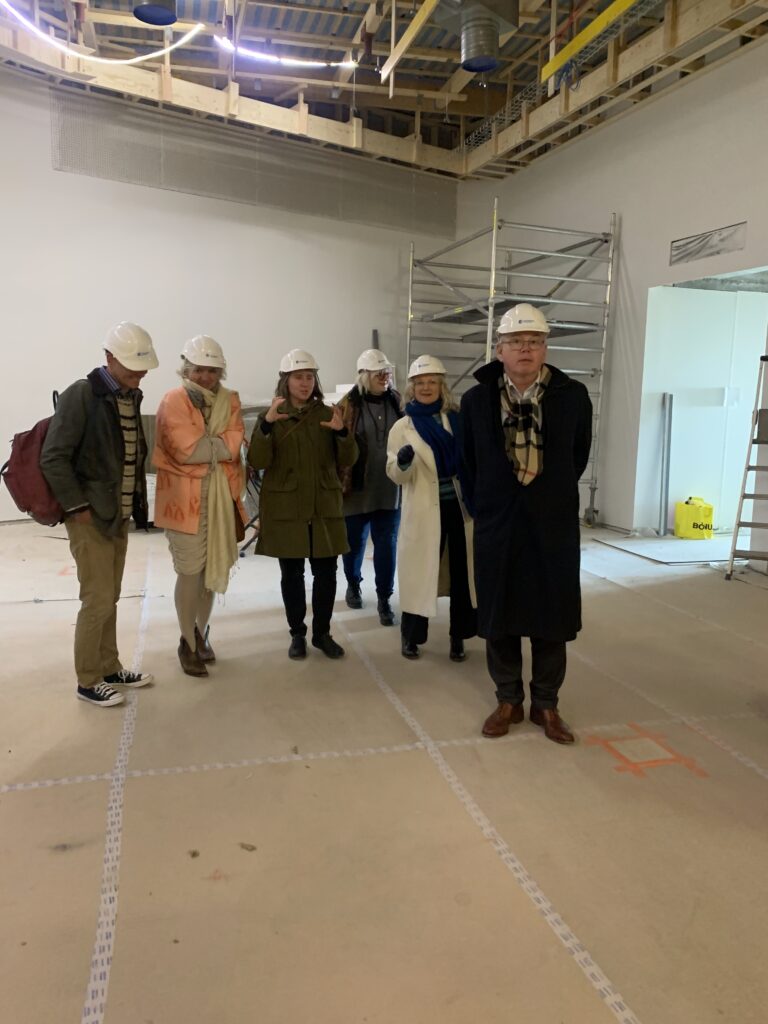
The Board of Trustees visited the new future headquarters National Museum of Natural History of Iceland, the Nature House in Nes, where there was a lot going on and construction was in full swing, but the facility is scheduled to be ready at the beginning of next year. The group was given a tour of the building by Ragnhildur Guðmundsdóttir, the director, who spoke about an exciting permanent exhibition that will cover the ocean in all its glory, with a special focus on the North Atlantic, the ocean's ecosystems, and its biodiversity. Finally, we got to see the preservation space of the National Museum of Natural History, which is not a less exciting place for museum people to visit, with many interesting things to see. The Museum Council is very grateful for the wonderful museum visits, the warm receptions, and the interesting conversations with museum staff.