
The annual trip of the museum board took place in November, and four museums were visited in Westland. They were The Folk Museum in Gardar, Akranes, Borgarfjörður Regional Museum, The Norwegian House – Snæfellinga and Hnappadæla Folk Museum and The Agricultural Museum of Iceland. In addition to the trustees, the directors of the three principal collections, who attend meetings of the Board of Trustees by virtue of their position, were present, along with staff from the Board of Trustees' office.
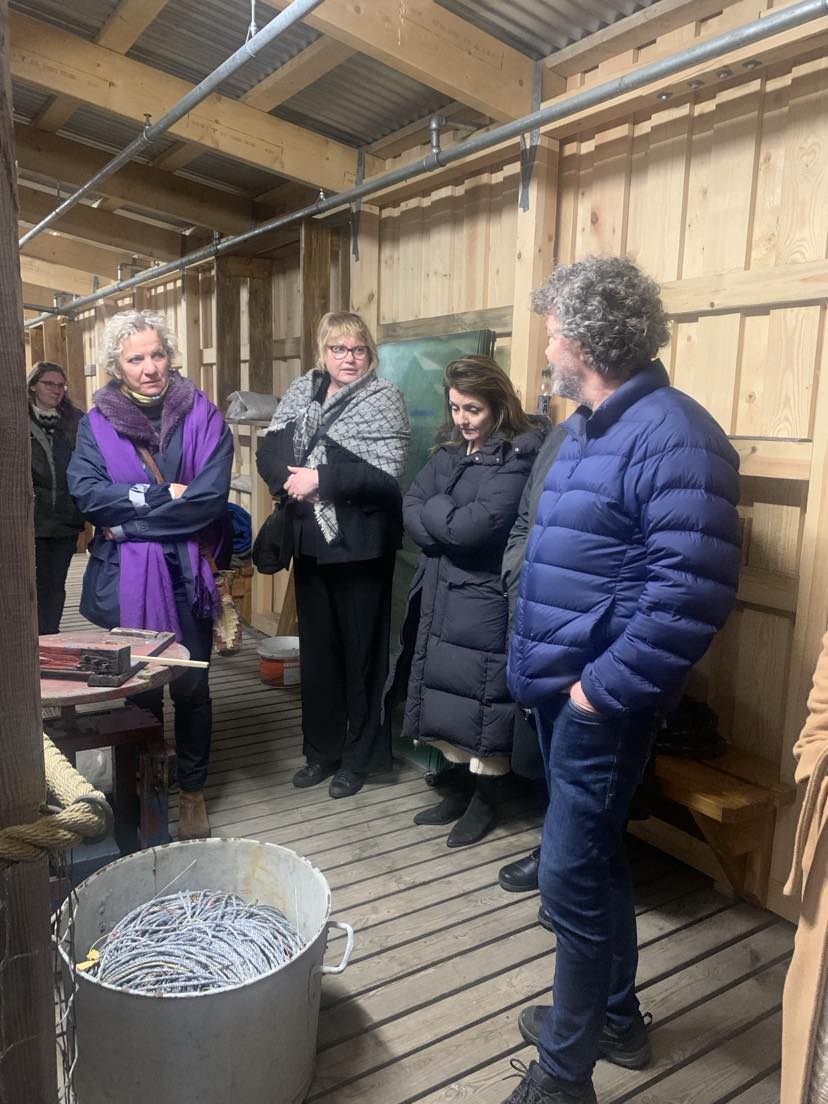
In Akranes, the director took The Museum of the Town of Gardar, Jón Allansson with the museum board in the Stúkuhús, which is one of the many museum buildings there. The building, originally constructed as a barn and cowshed around 1916, has served various purposes over the years and may take on a role as a café in the future. The museum board was given a tour of the Boat House, a reconstruction based on an old model that houses boats in the museum's collection. A permanent exhibition is also in the works, covering the fishing history of Akranes and its surrounding areas. Additionally, there will be a living exhibit where the maintenance and restoration of the museum's boats will be carried out. There was much interesting and informative to see in the museum's main exhibit, which traces the history from a small fishing village in the 17th century to a modern town with nearly eight thousand inhabitants.
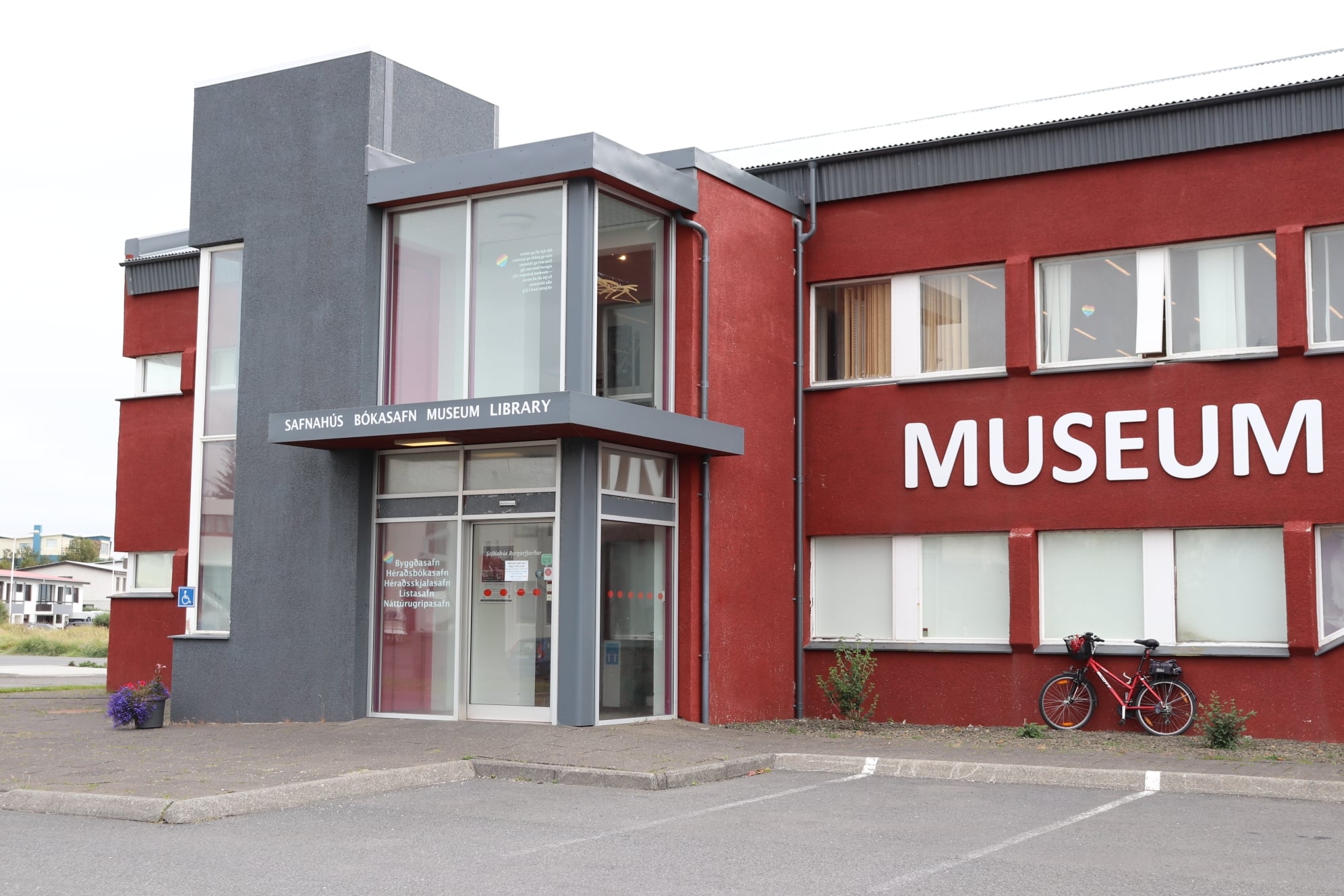
Next, the way led to Borgarnes where Borgarfjörður Museum The museum was visited. Director of Cultural Affairs, Þórunn Kjartansdóttir, welcomed the group and spoke about the eventful work that takes place there. The museum is at a turning point, with major renovations planned for the building and exciting times ahead as the lower level will house collections and new exhibitions will be unveiled.
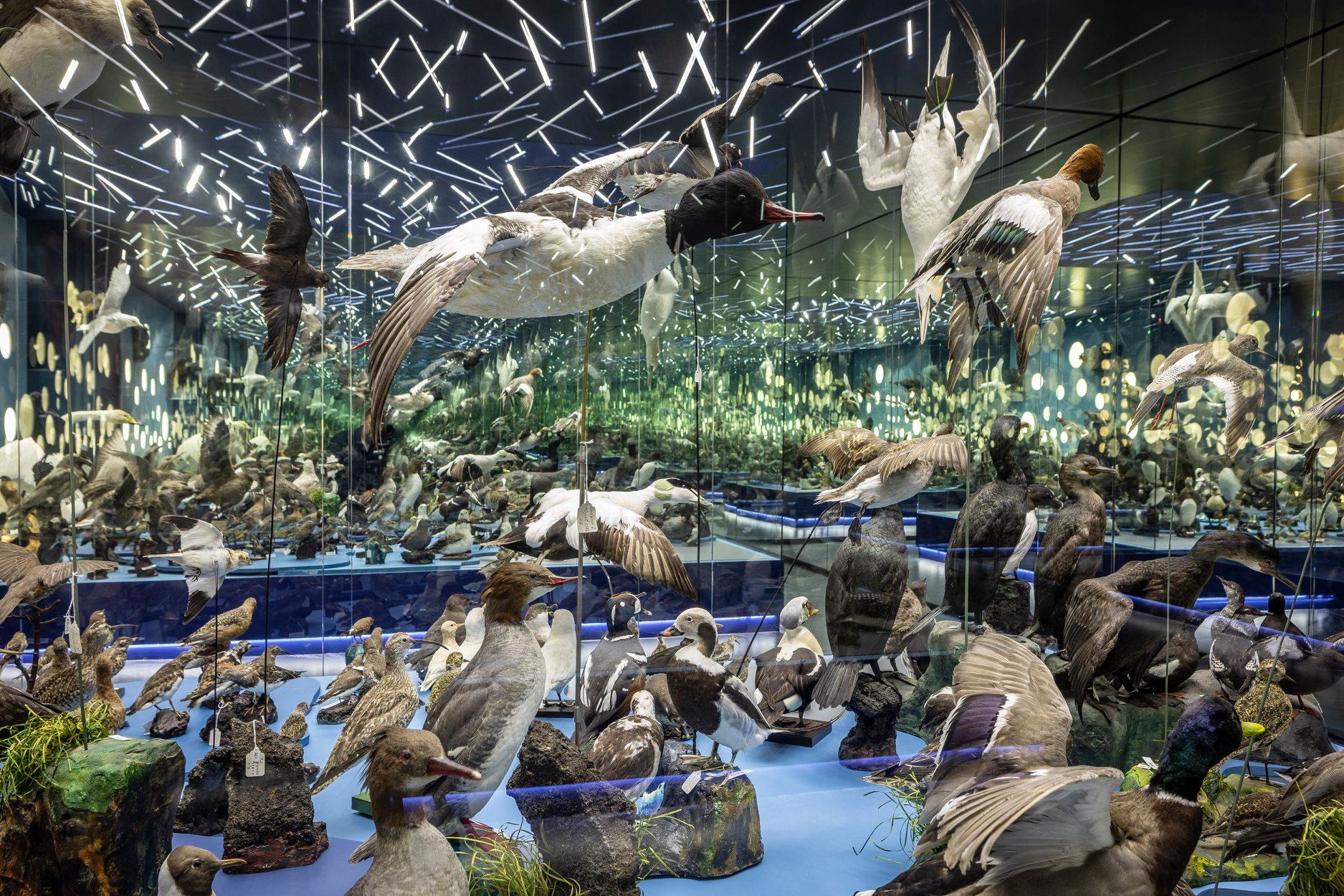
The Cultural Center houses five museums; the Regional Library and Archives, the Art Museum, the Natural History Museum, and Borgarfjörður Regional Museum which was also one of the first museums to receive formal recognition from the Museum Council in 2013. That same year, the Safnahúss's permanent exhibition was opened. The Adventures of the Birds which still stands on the lower level of the building. On the upper level is Hallsteinssalur, where temporary exhibitions are held—often art shows but also folk exhibitions of various sizes and types. You can also find the Borgarfjörður Regional Library there.
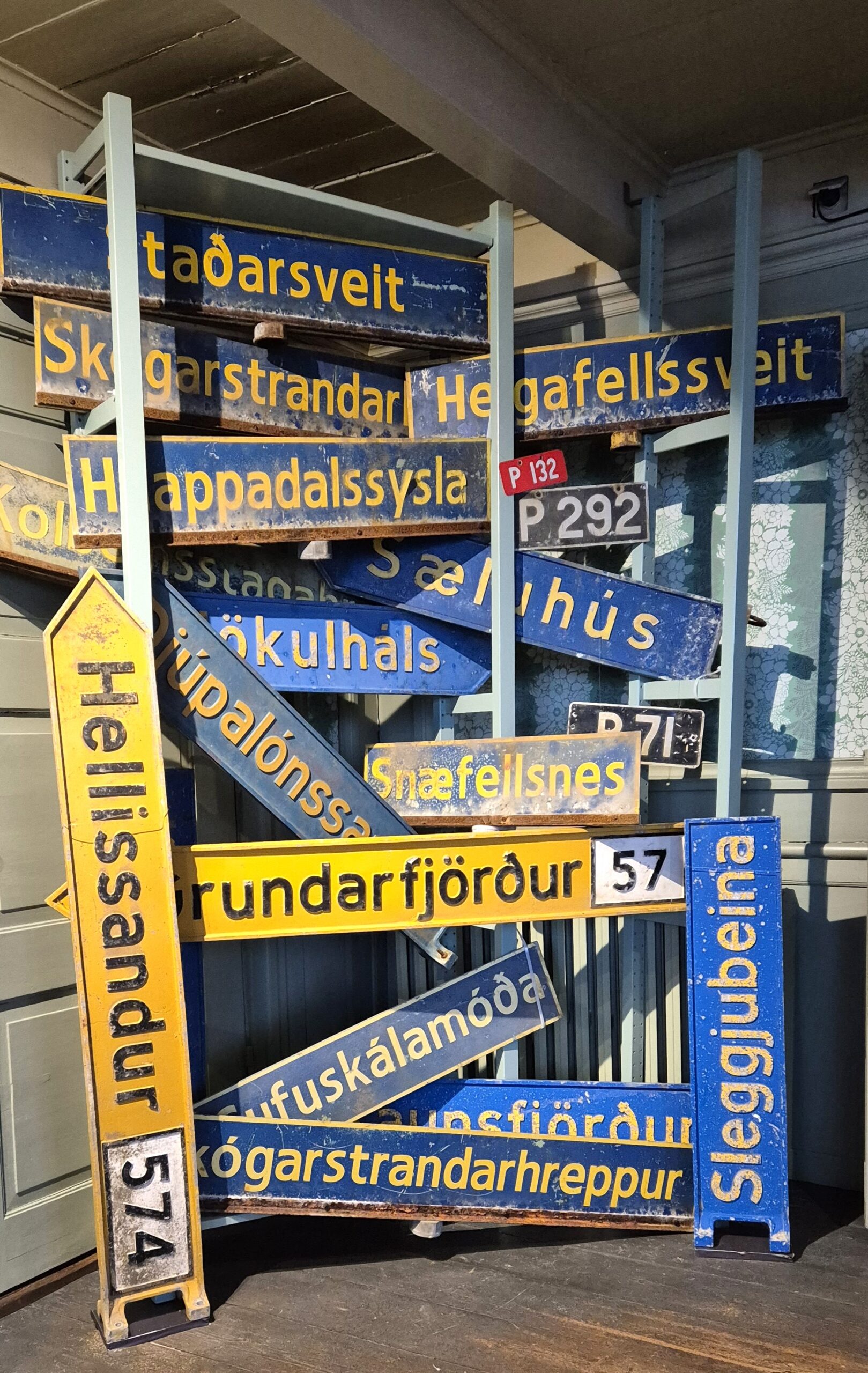
In Stykkishólmur, we visited the first and oldest two-story residential building in Iceland, the so-called Norwegian House at Hafnargata 5. The house, which was built in 1832 for Árni Ó. Thorlacius, was constructed from prefabricated timber from Norway. The house has served many purposes over the years and today it houses Snæfellsnes and Hnappdæla Regional Museum.
The museum has a new permanent exhibition titled Heartland – The Snæfellsnes Peninsula through the eyes of young people since 1900 and highlights the perspective of young people on their environment and its connection to their homeland, where the history of Snæfellsnes is woven in, as countless external factors in history had a decisive impact on the lives of young people from 1900 to the present day. On the upper floor, there is an open storage area with artifacts from all over the Snæfellsnes Peninsula, where a space for workshops and exhibitions for the museum's youngest visitors is planned.
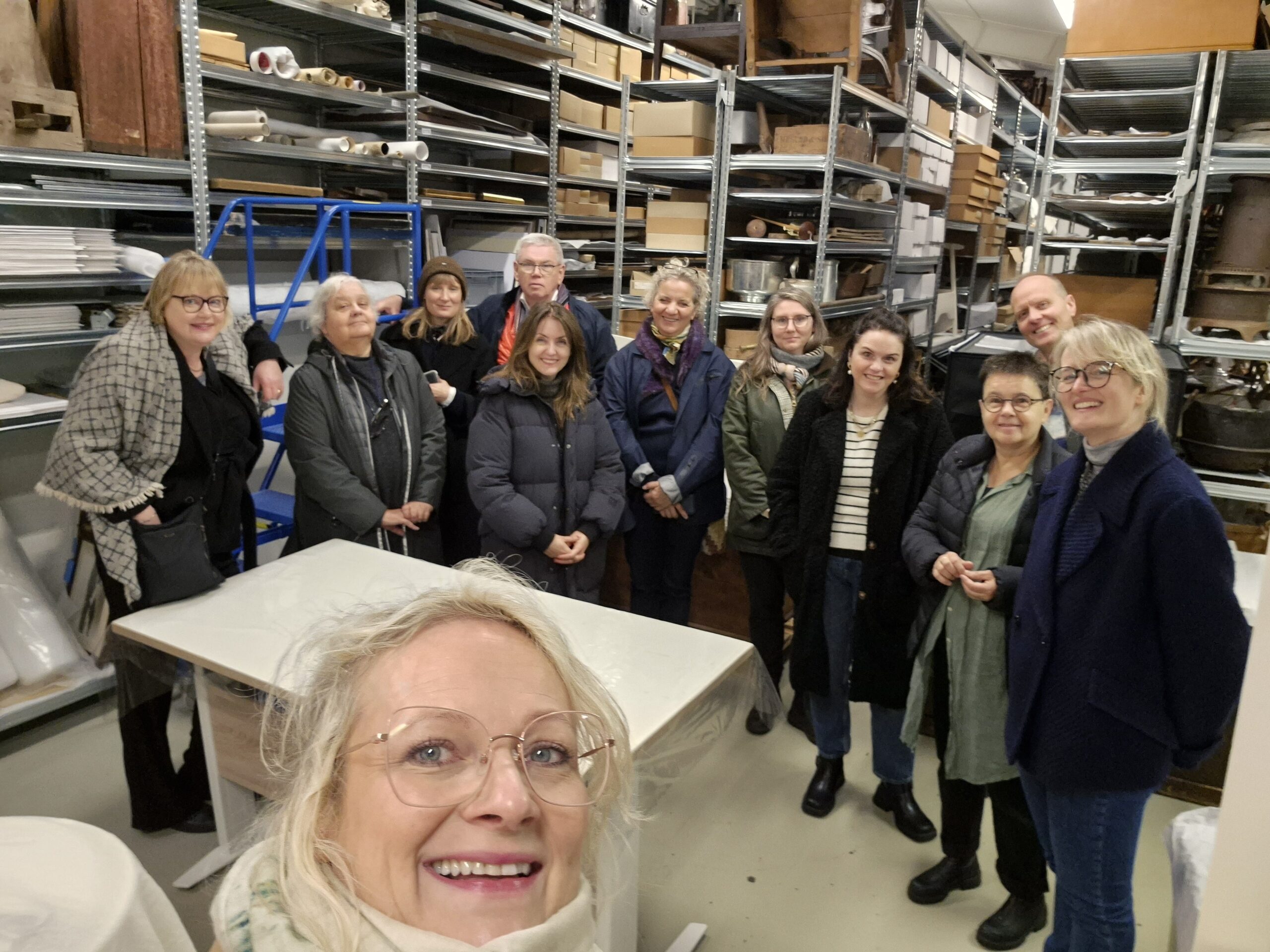
Icelandic Agricultural Museum Hvanneyri was the last stop, and there the museum director, Ragnhildur Helga Jónsdóttir, welcomed the group. We were given a guided tour of the museum's permanent exhibition, which opened in 2014 in the Halldórs Farmhouse in Hvanneyri, where the National Museum of Agriculture is now housed.
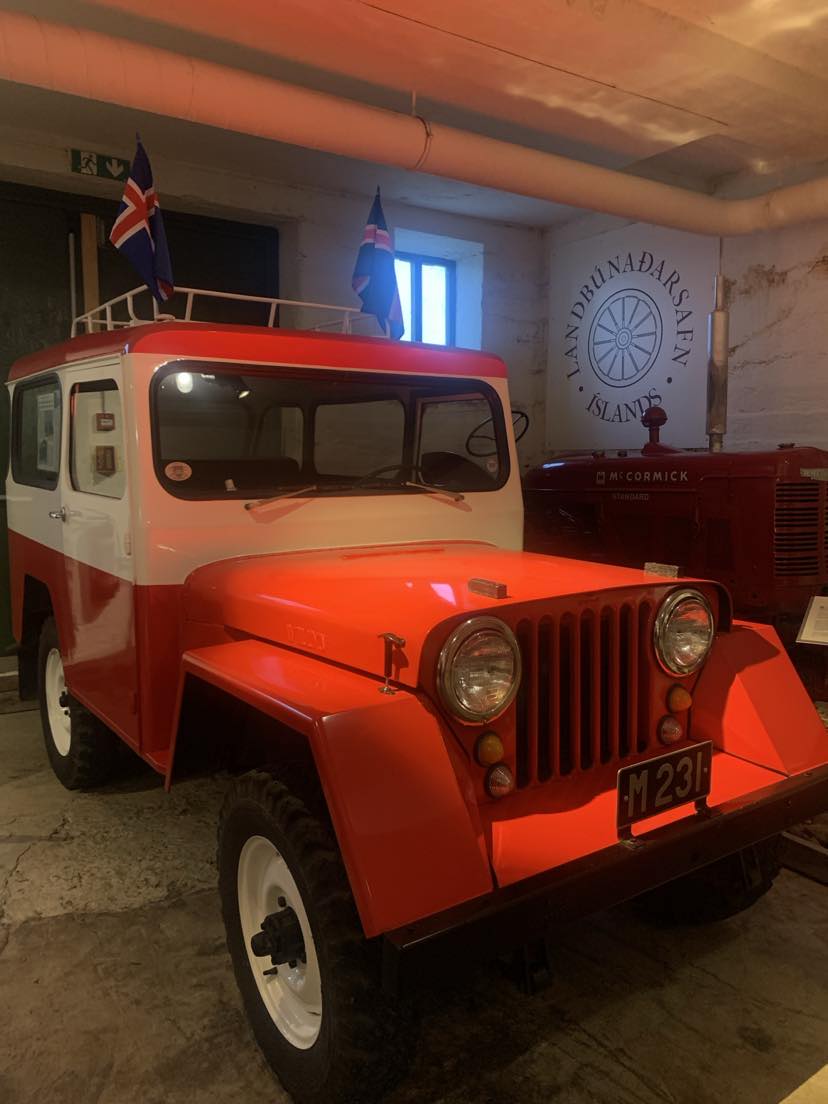 The exhibition is on two floors and covers the mechanization of agriculture from the turn of the 20th century to 1980. The exhibition features numerous tools and machines that showcase Icelandic craftsmanship, as well as those that played a major role in the development of agricultural practices from 1880 into the 20th century.
The collection is mostly in the care of the Agricultural Museum, but the exhibition also features items from private individuals, the Borgarfjörður Folk Museum, and the National Museum of Iceland.
The Council of Museums thanks everyone who so warmly welcomed the group and provided insight into the diverse work of museums, while also discussing exciting future plans. There is a great deal of excellent professional work taking place in museums all over the country. The strong connection between museums and the community was evident at the museums visited, both in their outreach and exhibitions, which underscores the contribution of museums to public discourse.